

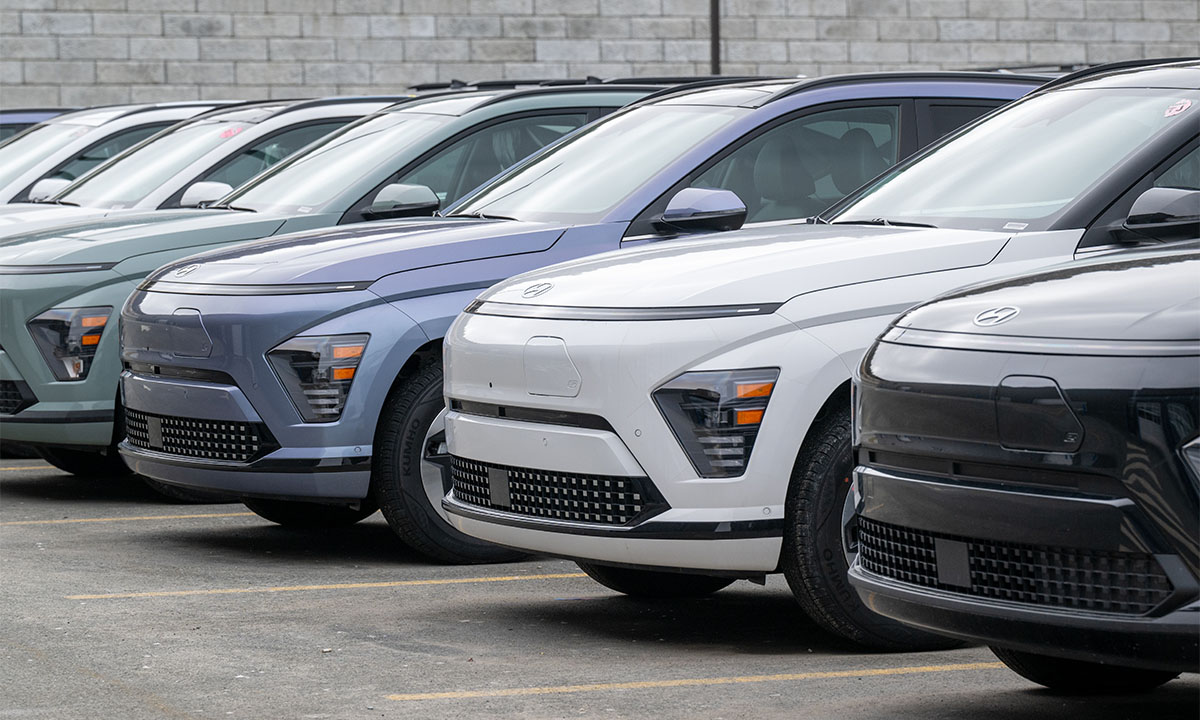
Azerbaijan’s electric vehicle (EV) market faced a significant setback in 2025, even as the country’s broader automotive sector experienced robust growth. According to recent data from the State Customs Committee, Azerbaijan imported 1,559 electric vehicles during the first nine months of 2025, valued at $44.21 million.
This represents a 30.5% decline in volume and a 45.6% drop in total import value compared to the same period in 2024, when over 2,200 EVs were imported, worth approximately $84.62 million.
The decline suggests that while interest in electric mobility remains, factors such as high import costs, limited charging infrastructure, and economic pressures may have discouraged widespread EV adoption.
Overall Car Imports Rise Significantly
In contrast, Azerbaijan’s overall vehicle imports surged. Between January and September 2025, the country imported 85,257 vehicles, marking a 28.6% year-on-year increase, or 18,972 additional units.
The total value of these imports reached $1.605 billion, up 26.5%, or roughly $336.59 million, from the same period last year. This surge underscores the strong demand for conventional vehicles, particularly petrol and diesel-powered cars, which remain more accessible for the average Azerbaijani buyer.
The import data also revealed the following:
-
652 passenger transport vehicles (for 10 or more people, including drivers) were brought in, worth $68.98 million.
-
78,205 passenger cars and other personal-use vehicles accounted for the majority of imports, valued at $1.432 billion.
These figures show that traditional combustion-engine vehicles continue to dominate Azerbaijan’s automotive landscape, even as global trends push toward electrification.
Why Are EV Imports Declining?
Industry experts attribute the decline in EV imports to several interconnected factors. Firstly, the cost of EVs and import taxes remains high compared to gasoline models. Secondly, the charging infrastructure in Azerbaijan is still limited outside major cities like Baku, discouraging potential buyers from investing in electric mobility.
Moreover, global supply chain challenges and the high price of lithium batteries may have contributed to a reduction in EV availability from major exporting countries. As a result, buyers seeking immediate delivery and affordability often opt for traditional vehicles, which are more readily available and easier to maintain.
Market Outlook for 2026
Despite the current dip in EV imports, Azerbaijan’s long-term automotive outlook remains positive. Government discussions around renewable energy development, charging infrastructure expansion, and potential tax incentives for EV buyers suggest that the market may rebound in the coming years.
Analysts expect gradual EV adoption as consumer awareness grows and infrastructure improves. However, unless significant policy changes occur, internal combustion vehicles will likely continue to dominate Azerbaijan’s roads through 2026 and beyond.
As of now, Azerbaijan’s auto market reflects a dual trend — robust overall growth paired with a temporary slowdown in the electric vehicle segment.