


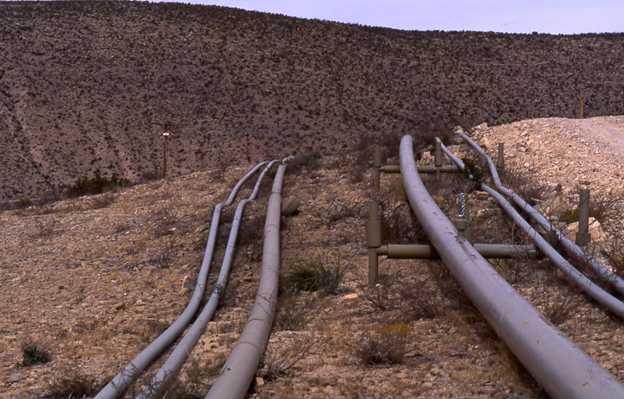
The global push for sustainable energy is fundamentally reshaping how nations utilize their natural resources and existing infrastructure. Historically recognized for its vast natural gas and oil reserves, the Caspian region is now aggressively pivoting toward a much greener, low-carbon future. Central to this massive strategic transformation is the ambitious, long-term plan to develop Azerbaijan hydrogen pipelines. By smartly repurposing extensive existing fossil fuel networks, the country aims to maintain its geopolitical relevance and become a premier supplier of clean, renewable energy to demanding European markets.
Utilizing the Southern Gas Corridor
For many years, the sprawling Southern Gas Corridor has served as a critical, high-volume artery for delivering natural gas to Europe. However, as the continent aggressively pursues its strict decarbonization goals, the industrial focus is rapidly shifting. Energy policymakers and structural engineers are now actively exploring the long-term feasibility of adapting this massive, multi-country infrastructure into dedicated Azerbaijan hydrogen pipelines.
While blending a small percentage of hydrogen directly into the existing natural gas stream is a highly promising initial step, the ultimate environmental goal is the complete, 100% transition of these networks. Transitioning to full-capacity Azerbaijan hydrogen pipelines requires overcoming significant, complex technical hurdles. Hydrogen's incredibly small molecular size drastically increases the risk of micro-pipeline leakage and severe metal embrittlement over time. Consequently, extensive system retrofitting, advanced digital metering, and completely upgraded compressor stations are strictly necessary to ensure safe, efficient, and leak-free cross-border transport.
Harnessing Caspian Renewable Resources
To consistently and reliably fuel these Azerbaijan hydrogen pipelines, the nation is heavily investing billions into its domestic renewable energy sector. The Caspian Sea boasts immense, largely untapped offshore wind potential, which is perfectly suited for powering massive, industrial-scale electrolysis plants.
By capitalizing on these ideal geographic conditions, the country can generate the massive electrical output required to separate water molecules without producing any greenhouse gases.
From Blue to Green Hydrogen
The government's strategic energy roadmap outlines a highly practical, phased approach to clean fuel production. Initially, the industrial focus will be heavily placed on blue hydrogen, utilizing the country's abundant, naturally occurring gas reserves while simultaneously implementing cutting-edge carbon capture and storage technologies. As offshore wind and solar renewable energy capacity expands over the next decade, the production model will shift entirely to 100% green hydrogen. By 2050, the country aims to produce over half a million tonnes of clean hydrogen annually. A significant portion of this impressive output is explicitly earmarked for direct export through the newly adapted Azerbaijan hydrogen pipelines.
Economic and Geopolitical Impact
The successful, large-scale implementation of Azerbaijan hydrogen pipelines will firmly cement the nation's critical role as an indispensable energy bridge between Asia and Europe. Producing highly competitive, low-cost green hydrogen will generate substantial annual export revenues while directly helping the European Union meet its stringent, legally binding climate targets. For professionals and enthusiasts closely monitoring the intersection of energy logistics, commercial transport, and emerging automotive technologies, keeping an eye on these regional developments is absolutely essential. You can seamlessly find more in-depth industry analysis and logistical updates at AsiaCarNews.
In the coming decades, the successful technical evolution of Azerbaijan hydrogen pipelines will not only redefine regional geopolitics but also set a highly replicable global benchmark for repurposing legacy fossil fuel infrastructure for the modern clean energy era.
What are your thoughts on transitioning traditional natural gas networks to carry hydrogen? Do you think this is a viable, safe long-term solution for Europe's clean energy demands?
Drop your insights and questions in the comments below—we would absolutely love to hear your perspective!